

The Jeans in Your Closet Deserve a Second Life
How Levi’s Turns Everyday Fashion Guilt Into Sustainable Action
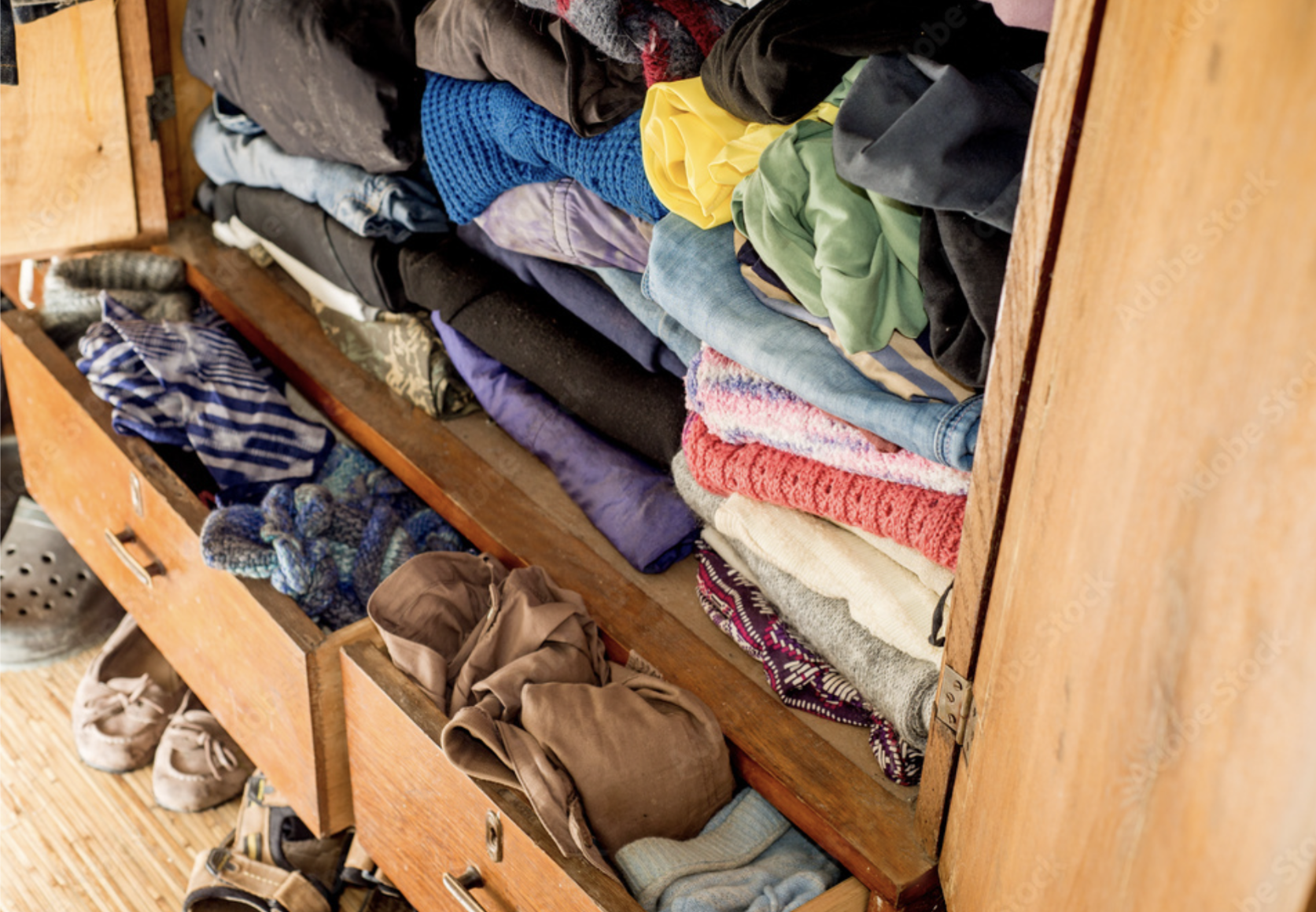
You open your closet and see that pair of jeans you love but haven’t worn in months. They still fit and are in good shape, but you’ve replaced them with something newer. Feeling guilty about your forgotten denim, you think back to everything you’ve been hearing about climate change and fast fashion. You want to shop more responsibly, but new items you love are always dropping, and buying something new feels easier than going through the hassle of upcycling.
That guilt you’re feeling isn’t just personal, it represents a much larger issue. The fashion industry is projected to grow 81% by 2030 and could consume 26% of the world’s remaining carbon budget. At that rate, we will see a two-degree temperature increase by 2050. And it doesn’t end there. Globally, $460 billion is lost each year from discarded clothing. Our fashion habits are hurting the planet, and it can feel like there’s no stopping it.
We can’t keep approaching fashion with this cycle of buying, using, and discarding. Clothing shouldn’t feel temporary, and we need a system that makes extending our clothing’s life easier than just replacing it. There should be an accessible way for us to return clothing we no longer wear instead of letting them sit unused, end up in landfills, or be resold by scalpers at inflated prices. Sustainability shouldn’t feel like extra work.
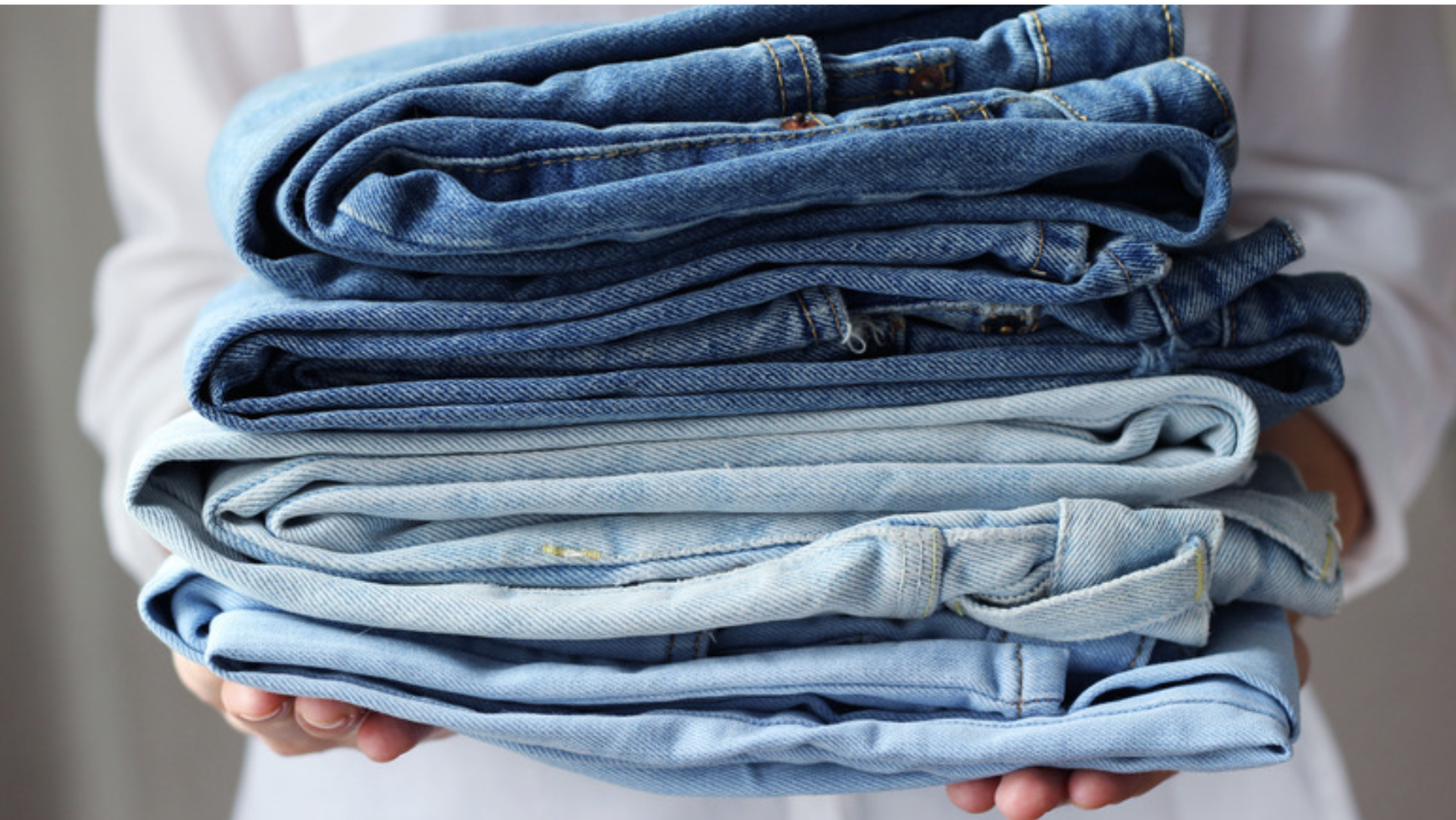
Levi’s recognizes these issues and has responded by launching Levi’s SecondHand: a buyback and resale platform designed to extend the life cycle of its denim. Through this initiative, customers can return previously worn Levi’s items, even damaged and worn pieces, in exchange for store credit. These clothing pieces are cleaned and redistributed through an online marketplace, giving anyone the chance to purchase vintage denim at a more accessible price point. Pieces that can’t be resold are recycled into alternative materials, preventing them from ending up in landfills. Buying a used pair of Levi’s will save approximately 80% of CO₂ emissions and 1.5 pounds of waste compared to purchasing new. Instead of ending up in a landfill, denim gets a second life. Now, you and anyone else can easily reduce fashion waste and shop for new clothing items sustainably.
So now the next time you clean out your closet, that guilt is gone. Instead of pushing your jeans to the back, throwing them away, or tossing them into a random donation pile, you take them somewhere you know will support a bigger cause. When you feel the urge to buy something new, you know you can sustainably find a fairly priced vintage item. You’re no longer just buying into another trend, and what once felt like a guilty habit now feels intentional. Sustainability becomes a part of your routine instead of feeling like an overwhelming responsibility.
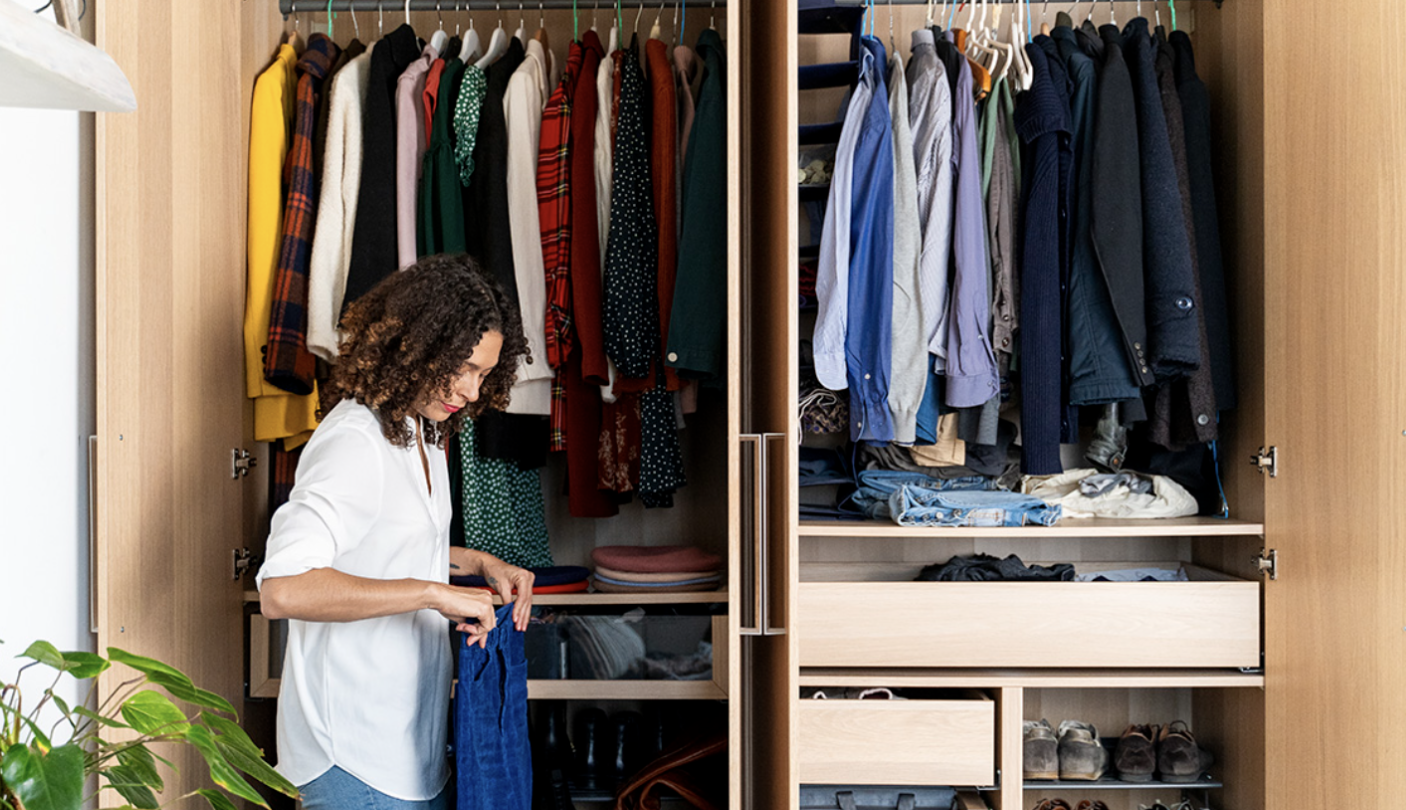
You open your closet, and it feels fresh and intentional with a wardrobe you have built to last. The pair of jeans hanging there was given a new life because of you, and gone are the days when you would buy whatever had a flash sale. Fast fashion no longer feels like an unstoppable problem, but something you can actively participate in changing. By giving denim a second life, you turn everyday guilt into meaningful action and prove that small shifts in how we buy and wear can contribute to a more sustainable future.